Bus maintenance roadeos gain popularity
While a sluggish economy has adversely affected budgets for many motorcoach associations and transit companies, bus and mechanic roadeos are still flourishing around the U.S.

While a sluggish economy has adversely affected budgets for many motorcoach associations and transit companies, bus and mechanic roadeos are still flourishing around the U.S.
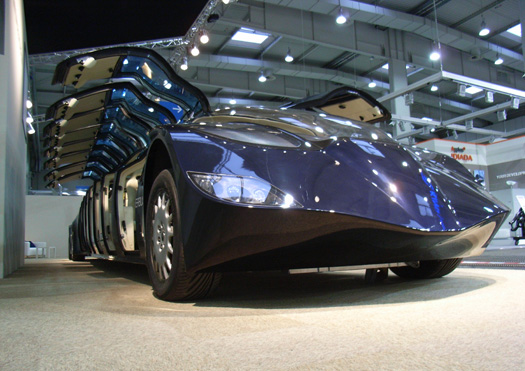
Aerospace technology combines with Formula 1 technology to create the lightweight Superbus.
Without a doubt, image is important to Bus Rapid Transit (BRT). Sleek looking vehicles, rail-like stations, advanced technologies and a strong brand identity are just a few of the features that help communicate the message: This is not just a regular bus service.
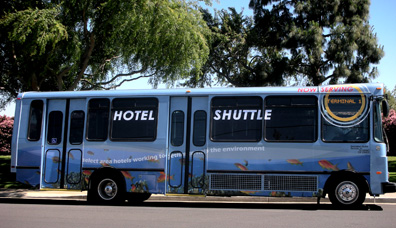
The proposal Destination Shuttle Services (DSS), Los Angeles, CA, first presented in 2000 was strong enough to convince 13 competing hotels within a 1-1/2-mile radius of Los Angeles International Airport to buy into its idea for a singular consolidated and fully integrated shuttle bus service.
Five percent of all passengers traveling by air utilize hotel shuttle services for convenient transport to and from the serving airports. Based on the economic report prepared for 2008 by the Air Transport Association, 769.2 million travelers flew nationwide, meaning that more than 38,460,000 people used hotel shuttle bus service. LAX represents only 6.8 percent of the total number of people who rely on this service.

he current belt-tightened economic climate has created the need for public and private sector enterprises alike to explore new areas within their operations for cost-savings and improved efficiencies. At Rochester Genesee Regional Transportation Authority (RGRTA), Rochester, NY, we are known for managing our mid-sized transit organization like a private business.
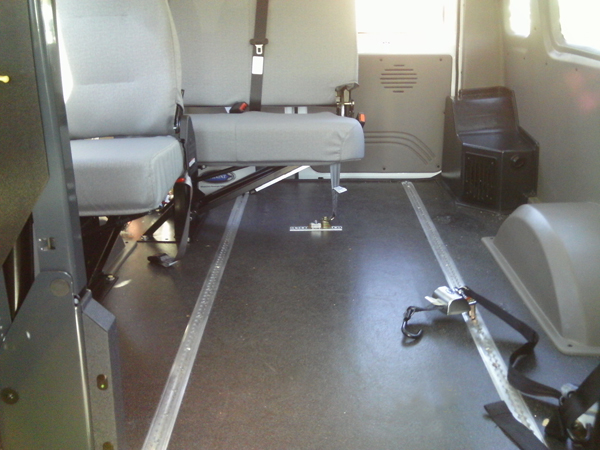
Paratransit is the difference between being homebound or institutionalized and being able to live independently.
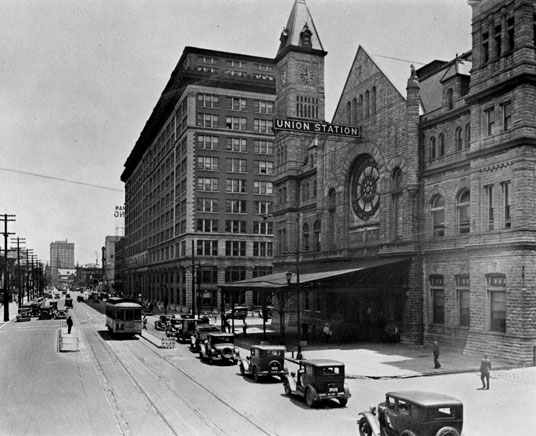
Standing stoically in Louisville, KY is historic Union Station, which has been the gathering place for bus and rail travelers for 120 years.
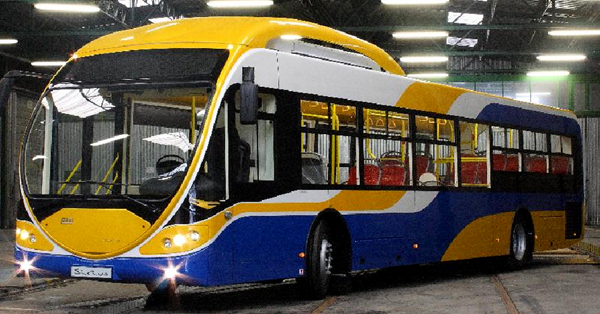
North American Bus Industries (NABI), Anniston, AL, recently unveiled the Sirius, a new NABI transit bus specially designed for the Hungarian bus market. While NABI is a major supplier of transit buses in the USA, in recent years its Hungarian operations have been limited to partially finished buses exported to the U.S. for final assembly. Hungarian dignitaries and NABI officials staged ceremonies in Kaposvár, Hungary, in September to commemorate the launch.
A crisis can provide an opportunity for change and growth in a company. The Turkish bus manufacturer Temsa could not agree more, crediting the engineering firm LMS International for its bounce back from Turkey’s financial crisis and climb to the top of the global coach and bus market.
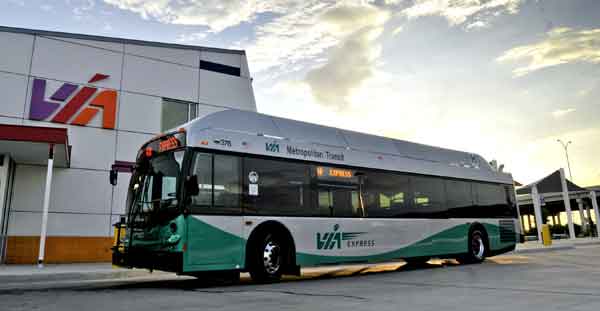
It’s been a little over a year since I took over as president and CEO of VIA Metropolitan Transit in San Antonio. In that time we have made good progress toward making this transit agency a multimodal system.