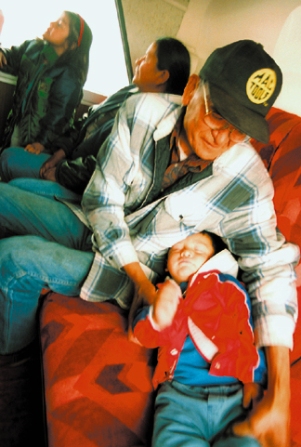
Tribal Transit puts buses where they need to be
Available and accessible public transportation is integral to the quality of life in any community regardless of size and location.

Available and accessible public transportation is integral to the quality of life in any community regardless of size and location.
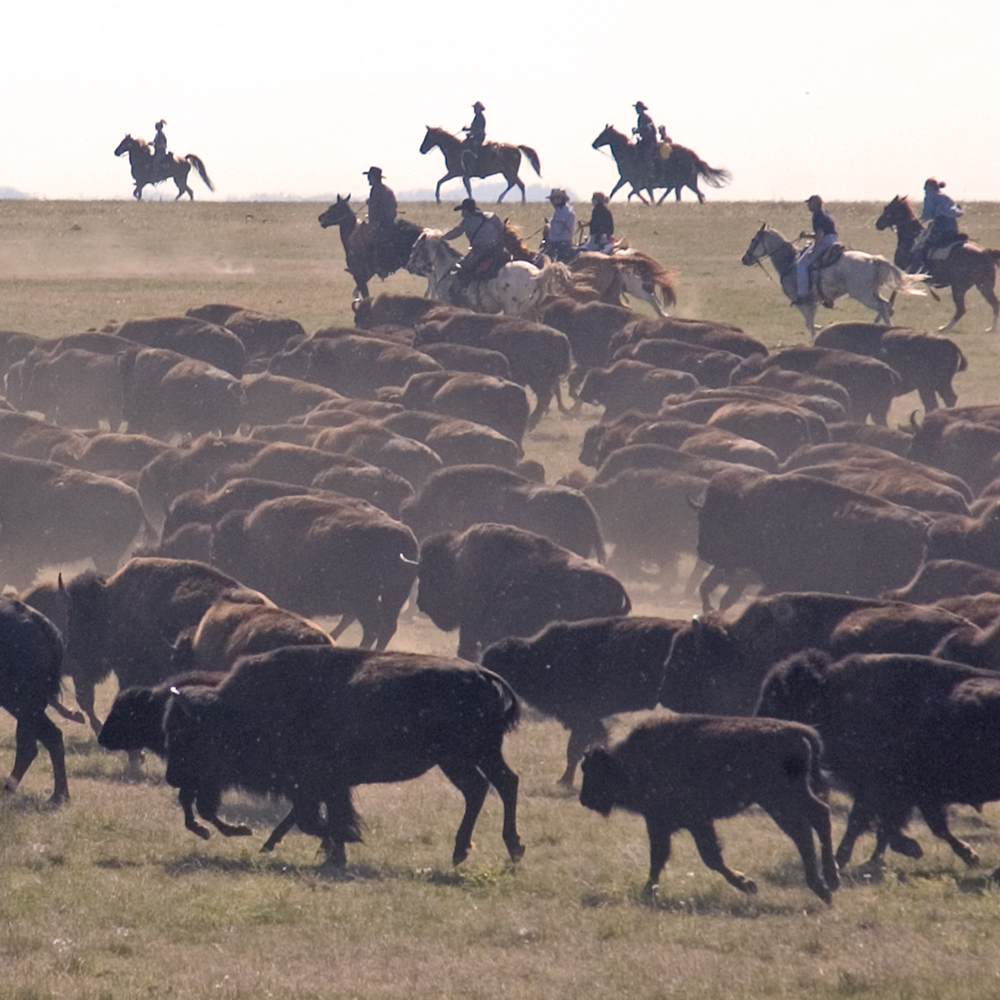
The effort the rangers make to round up more than 1,200 head of buffalo each fall for the annual branding, sorting and vaccinating of the herd enthrall visitors who visit Custer State Park. This one-of-a-kind Old West event drew more than 12,000 people last year to watch the buffalo rumble by from a designated safe viewing area.
Busworld, the Belgian organizer of international bus and coach exhibitions, recently held its third edition of Busworld Turkey in Istanbul in conjunction with its local partners. A number of significant changes were evident this year.
The goal of the APTA International Roadeo is to provide the most equitable competition possible to showcase and encourage the highest degree of professionalism in bus operators and mechanics.
Intercity Transit, a mid-size, community-minded agency operating in Olympia-Thurston County, WA, has created a bright spot for people in need during this bleak economy.
Already sold on the low-floor concept, transit agencies in Lubbock, TX, and Holland, MI, have adopted the ARBOC Spirit of Mobility as their preferred paratransit vehicle. These agencies say their passengers appreciate the low-floor design because it allows them greater control of their transit experience.
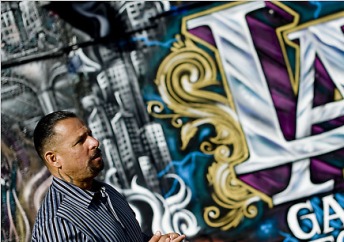
Alfred Lomas is on the other side of some tough going. It started 35 years ago at age 12 with his “jump-in” initiation into the Florencia 13, a nearly unavoidable move considering his neighborhood that ensnared him in the world of violence and drugs that forever dogs street gang members.
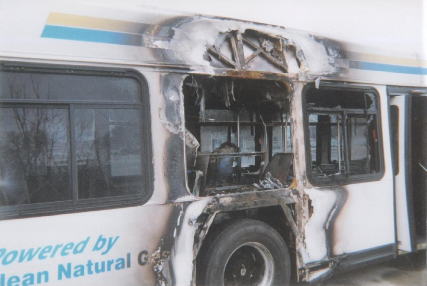
In the mop up after an accident, one final item on the list is to tend to the damaged coach. The question is often whether to repair or replace, with several mitigating scenarios in play where there is no one answer.
In 1927, Gottlob Auwärter qualified as a master coachbuilder. Eight years later he founded his own company and began building bus and coach bodywork on high frame truck chassis with the driver sitting behind the engine.